


Ta strona korzysta z plików cookie.Używając tej strony wyrażasz zgodę na używanie plików cookie, zgodnie z aktualnymi ustawieniami Twojej przeglądarki. Możesz dowiedzieć się więcej w jakim celu są używane oraz o zmianie ustawień przeglądarki. kliknij tutaj

16/01/2022
What type of sponge is used to make mattresses?
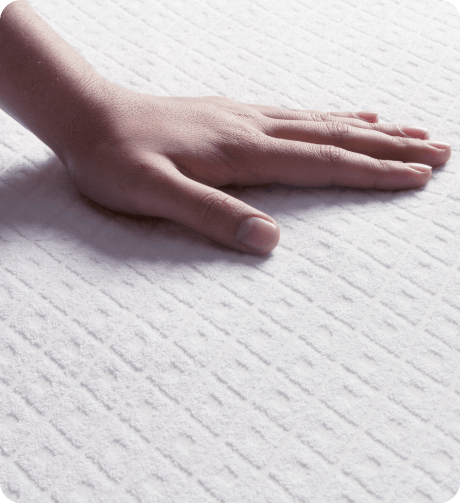
Polyurethane foams are used to produce mattresses and furniture upholstery. They feature different density and elasticity parameters. Elasticity, durability and resistance to deformation are important in sponges intended for mattresses. The key is to choose the right parameters depending on the purposes for which the mattress is to be used.
T-type polyurethane foam parameters
One of the types of foam is flexible T-type foam. This type of foam is used for sports, rehabilitation and bedroom mattresses as well as for mattresses for cots and prams. The parameters of the sponge are described by its symbol, e.g. T40/50. Density is one of the important foam parameters. The density is the first number in the symbol. In the case of T40/50 foam, its density is 40 kg/m³. This means that a 1m x 1m x 1m cube made of this sponge will weigh 40 kg. The higher the density number, the better the properties of the sponge. The smaller this value, the faster creases will form. The second number, in this case 50, is the elasticity of the foam. It means the amount of pressure that needs to be applied for a 10 cm thick foam to bend up to 4 cm deep. The number 50 means 5 kPa. The lower this number, the higher the elasticity of the mattress foam.
What are the properties of type R polyurethane foam?
The second type of foam is rebound type R foam. It has a non-uniform cell structure, which makes it flexible and resilient. It is characterised by longevity and offers proper body support during rest. It also features a slight loss of rigidity when used. The letter R in the name comes from the word ‘rebound’, meaning that it is foamed twice. These foams are made of finely ground foam. They are safe to use due to the elimination of heavy metal compounds in the production process. Because of this, type R foams are used for sports mats and bedroom mattresses. The symbol designating this foam, e.g. R-50, refers to the apparent density, i.e. the ratio of mass to volume, including the pores contained in it, expressed in kg/m³. In this case, a 1m x 1m x 1m cube will weigh 50 kg.