


14/07/2023
How do you take care of insulating the basement ceiling?
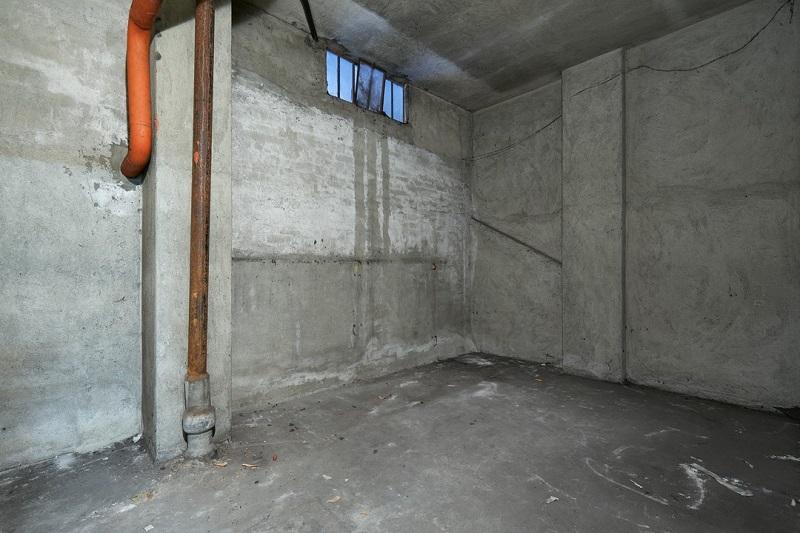
Nowadays, when everyone is aware of the need to care for the environment and save energy, the thermal insulation of buildings is becoming a priority. Insulating the basement floor is a key part of this process, and one of the most effective and modern methods is the use of PUR/PIR rigid polyurethane foam.
Advantages of PUR/PIR rigid polyurethane foam
PUR/PIR polyurethane foam is becoming increasingly popular among investors and building professionals. This is primarily due to its outstanding thermal insulation properties. Its thermal conductivity coefficient is the lowest of any thermal insulation material on the market - 0.023W/(m-K), which provides better insulation than traditional insulation materials such as mineral wool or polystyrene. This makes it possible to reduce the thickness of the insulation layer, which saves space and reduces investment costs.
Other advantages of rigid polyurethane foam include its durability, resistance to rodents and insects, and insensitivity to moisture, which is very common in basements.
Use of PUR/PIR rigid polyurethane foam for insulating a basement ceiling
Insulating a basement ceiling with PUR/PIR foam can be carried out in several different ways. The most popular and effective of these is the use of PUR/PIR foam in the form of mounted rigid panels, which can be cut to suit your needs and the dimensions of the area requiring insulation.