


16/01/2023
Thermal insulation of house walls with rigid PUR foam or mineral wool?
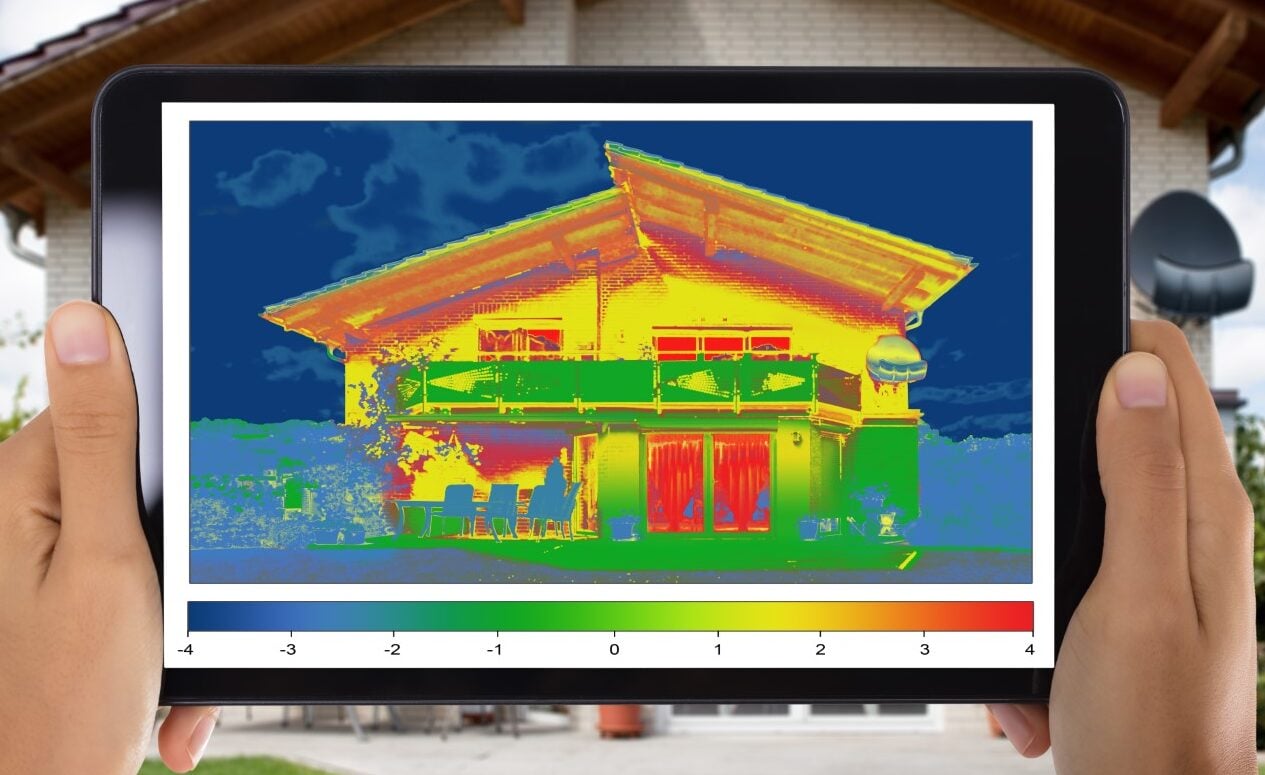
Thermal insulation of building walls ensures the thermal comfort of the users inside, features the capability of silencing sounds from the environment and protects the house against moisture from the outside. Which type of insulation will work better: PUR polyurethane foam or mineral wool?
Polyurethane foam
PUR foam insulation is a fairly easy and undemanding process that uses both traditional polyurethane foams and those in the form of ready-made mats, boards or moulds. The foam is characterised by one of the lowest coefficients of thermal conductivity, amounting to l=0.023 W/(m•K). The lower the coefficient, the thinner the layer of insulating material is needed to obtain the proper thermal insulation effect.
The advantage of PUR foams is their resistance to moisture and the action of chemicals as well as insects and rodents, while at the same time being breathable. PUR foam is the most lightweight form of insulation, providing very good and durable thermal insulation.
Mineral wool
The thermal conductivity of mineral wool is not as good as that of PUR foam (l= 0.032 – 0.045 W/(m•K)), it is also much heavier and absorbs moisture quickly. Its assembly is more difficult, but the advantage of wool is that it is a material that is difficult to ignite and it does not spread fire. It also provides a high level of sound insulation.
Which type of insulation should you choose?
PUR foam is not an inexpensive insulating material, but if you want to use a thinner layer of insulation, trouble-free installation, resistance to moisture or pests, this type of thermal insulation will work best. It is also a good choice when you do not want to dramatically increase the walls’ thickness, while maintaining a high degree of thermal insulation. Although mineral wool is one of the cheapest materials, you will need quite a lot of it to thoroughly fill every gap in the wall.