


16/06/2026
What is the reason for the wide popularity of rigid PUR polyurethane foams?
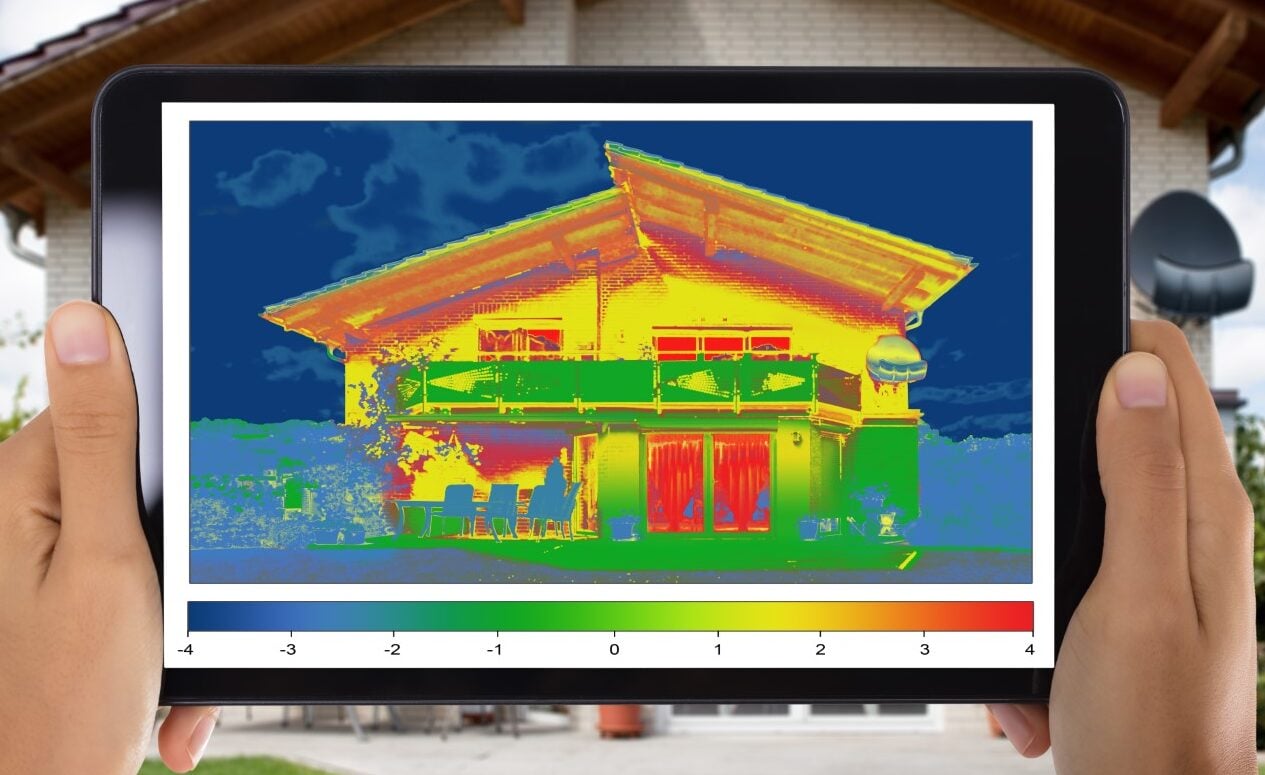
Insulation systems using polyurethane foam (type PUR) are currently one of the most frequently chosen solutions in the field of thermal insulation. The secret of their popularity primarily lies in the properties of this material. Low thermal conductivity, exceptional tightness, vapour permeability – these are just some of the many appreciated benefits of PUR foam.
Polyurethane foam (PUR) – the most important advantages
PUR foam is distinguished by very good thermal insulation parameters (λ=0.023 W/mK) and ease of use. It is resistant to both low (-50°C) and high temperatures (up to +100–130°C). It guarantees very good thermal insulation in a wide range of temperatures (from -60°C to +95°C). At the same time, it is distinguished by an even two times lower thermal conductivity coefficient than, for example, wool or polystyrene. Importantly, optimal results can be achieved with a much thinner layer of insulation compared to traditional methods.
In addition to its thermal insulation properties, PUR foam is vapour permeable and resistant to chemical vapours, many organic solvents, acids and alkalis. It is also resistant to fungi and mould. Using PUR foam insulation, there is no fear of possible damage by insects or rodents. At the same time, this material is harmless to humans.
Polyurethane foam is easy to transport and easy to process and assemble. This makes the insulation works run smoothly and problem-free. It is a durable solution, because PUR foam elements are not subject to ageing processes, and there is no change in their mechanical or insulating parameters.
All these properties have a direct impact on the undoubted popularity of thermal insulation products made of polyurethane foam (PUR).
Many applications of PUR foam
Polyurethane foam comes in various forms, therefore the scope of its application is quite wide. In our offer, it is available in many variants: boards, forms, shapes, granulate and dust.
A rigid polyurethane foam board is most often used as thermal insulation of walls, floors, ceilings, cavity walls and sloping roofs. In addition, it can be used as the core of sandwich panels. PUR boards are used in the refrigeration, shipbuilding and automotive industries.
Rigid polyurethane foam granulate is perfect for difficult-to-reach places where the use of boards is inhibited or even impossible. In turn, rigid foam dust, also available in our offer, is used for the production of, among others, paste-type hand cleaners. For more information feel free to contact us by e-mail or telephone.