


Ta strona korzysta z plików cookie.Używając tej strony wyrażasz zgodę na używanie plików cookie, zgodnie z aktualnymi ustawieniami Twojej przeglądarki. Możesz dowiedzieć się więcej w jakim celu są używane oraz o zmianie ustawień przeglądarki. kliknij tutaj

08/11/2022
Where will disinfection mats work?
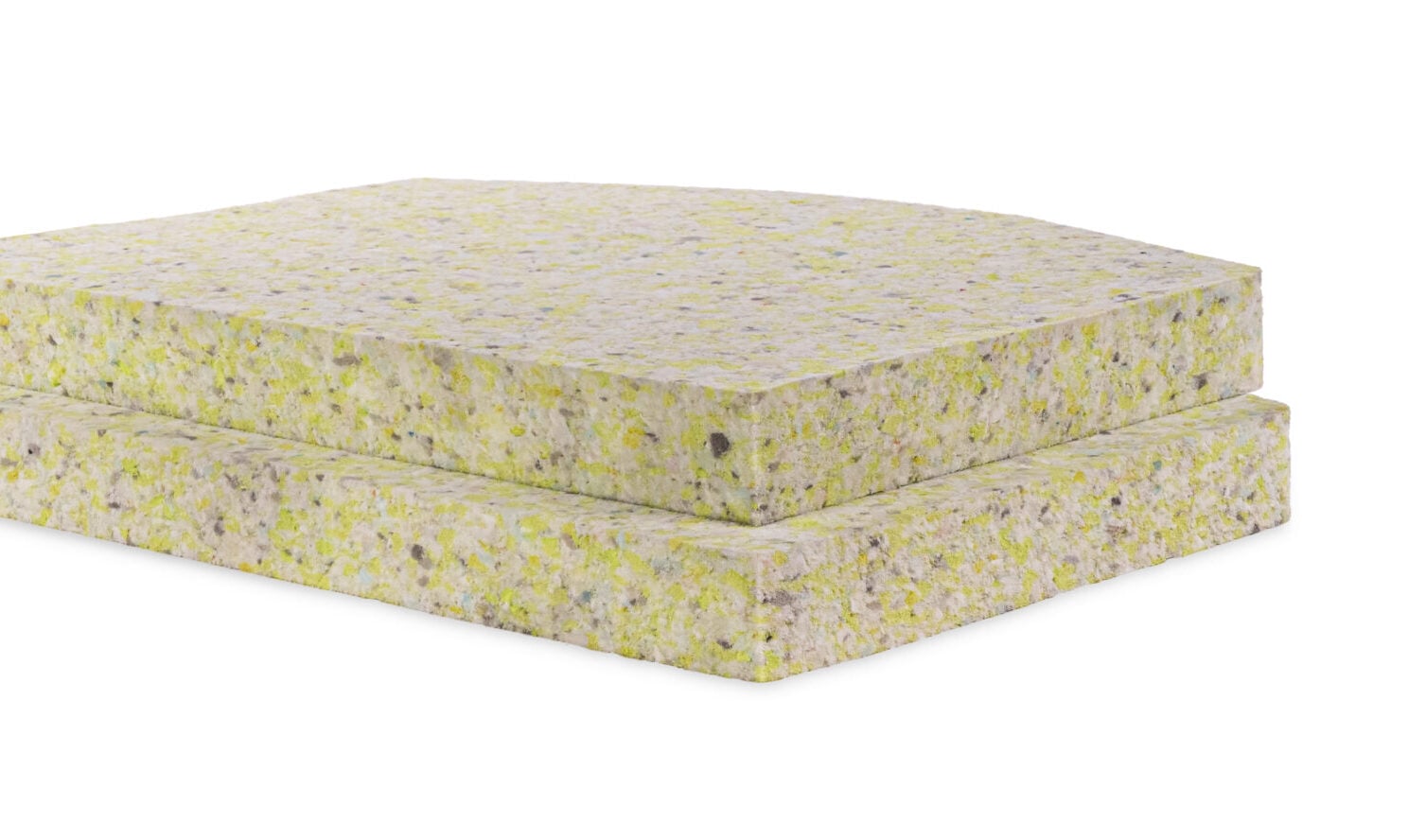
Although disinfection mats are not a novelty, they became more famous with the arrival of the African swine fever virus, and later, the coronavirus pandemic. The task of the mats is, of course, to limit the spread of harmful microorganisms – both on the shoe soles and car wheels. What should you know about them?
How is a disinfection mat used?
Disinfection mats are usually filled with flexible and rebound polyurethane foam with a non-absorbent bottom and sides. A strong disinfectant is poured onto the mat and is absorbed by the foam. The mat is usually laid in the entrance or driveway to a room/building that is particularly exposed to viruses, bacteria, mould, etc.
Where are disinfection mats used?
Disinfection mats are widely used in industry, agriculture, but also medicine and everyday life. They are popular in food processing facilities (dairies, slaughterhouses, greenhouses, etc.) and animal husbandry facilities (pig farms, henhouses, cowsheds). They can be found in laboratories and cosmetics, medicine and medical equipment production facilities. Disinfection mats are used in hospitals, clinics and other healthcare facilities. They are also sometimes seen at airports and border crossings.
In the era of the coronavirus pandemic, disinfectant mats have been introduced to some offices, schools and kindergartens. Interestingly, they were also purchased by private individuals, for whom the mats were used instead of or in front of a traditional doormat. Regular replenishment of the mat with disinfectants significantly reduces the possibility of introducing the virus into the home.